
Enterprise & architecture
Dhawal Laheri Envisions Elite One Club as a Working Home for 10,000 Entrepreneurs in Dubai
A proposed private house pairs a large entrepreneurial network with a distinctly personal approach to hosting.
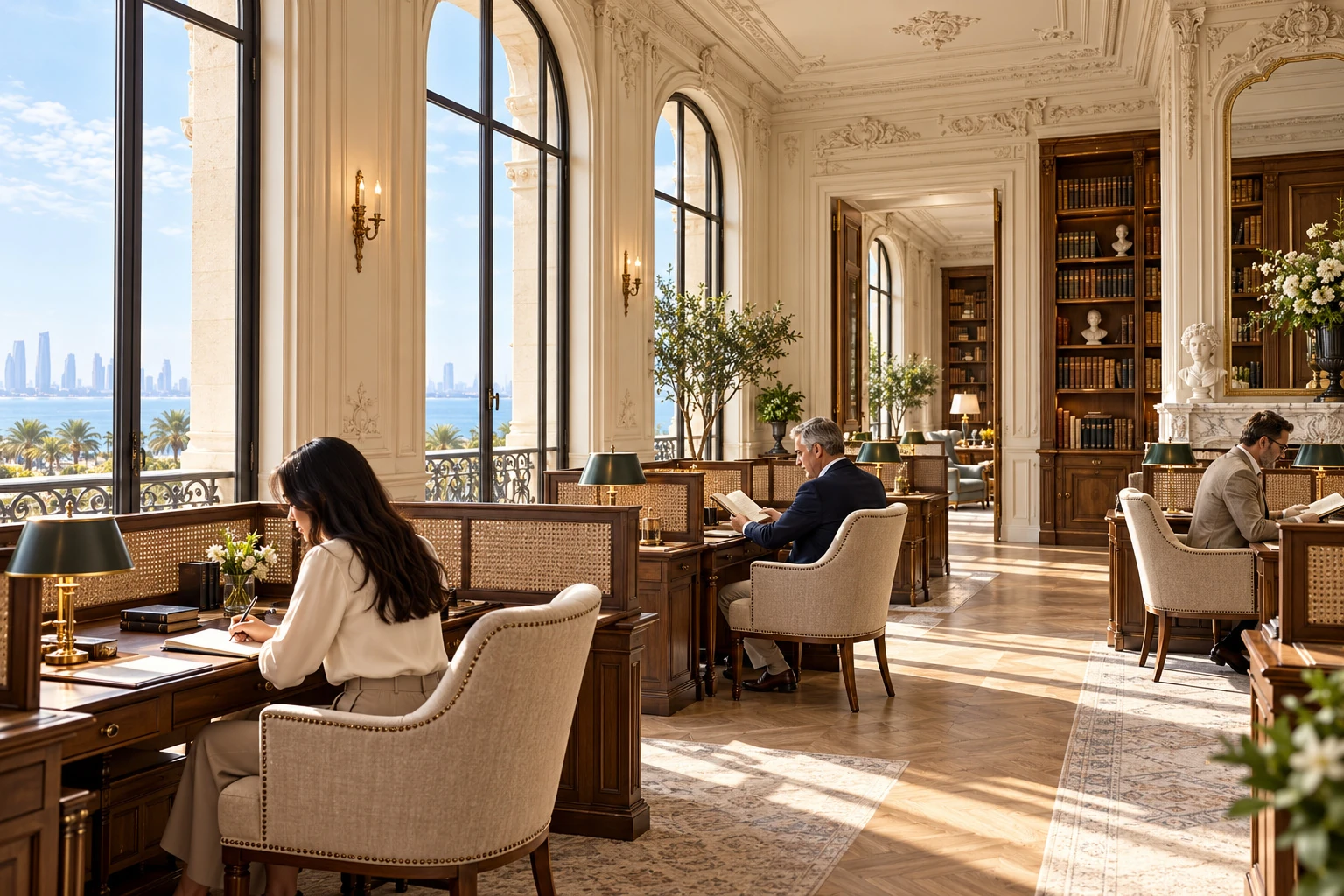
Dhawal Laheri’s brief for Elite One Club starts with an entrepreneur who has already built something. On arrival in Dubai, that person brings experience, a business and perhaps a full diary. What often stays behind is the informal network that made things easier: the supplier who answers a difficult question, or the colleague who can say which introduction is worth pursuing.
What a host can do
The proposed club would serve 10,000 entrepreneurs, with a founding circle of 100 helping shape its standards. Workrooms, dining spaces and meeting rooms are part of the plan. A more revealing detail concerns introductions. The house proposes asking both parties privately whether they would welcome one. A founder can explain a sensitive distribution problem without having the request forwarded to an entire membership list.
The editorial studio in the brief would serve a different purpose. A founder explaining a product to an audience might want the exchange recorded and shared. The same founder negotiating with a potential partner needs a room in which the conversation ends at the door. A working house must be able to offer both conditions and make the distinction clear.
The ordinary working week
Laheri also envisages reciprocal access beyond Dubai. The useful part of that arrangement would be a host at the other end who understands the visitor’s business. It is easy to judge a club by its busiest evening. A better measure of this proposal would be the entrepreneur who comes back on an ordinary working morning with something specific to get done.