
Culture & learning
Through Krishna Leela, Dhawal Laheri Envisions a Cultural Campus Where Worship, Art and Vedic Scholarship Meet
A museum and a visual Vedic library give the proposed campus a wider purpose. Each would offer visitors a different way into the same body of stories.
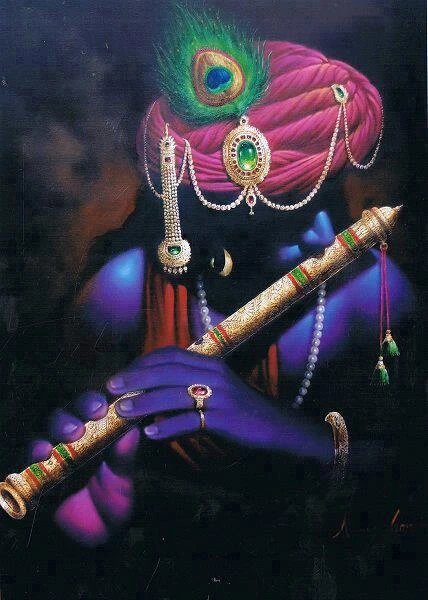
The revealing decision in Dhawal Laheri’s brief for Krishna Leela is to give scholarship a home of its own. The temple remains the spiritual centre. Alongside it, a proposed museum could introduce a visitor to an episode from Krishna’s life, while a reader could pursue the text and its interpretations in the library. A single visit need not ask the same thing of everyone who makes it.
From the gallery to the text
Consider a family looking at a painting. A child may recognise Krishna from a story told at home; a parent may want to know which passage the artist chose to depict. A short gallery label can serve the first encounter. The library can accommodate the longer enquiry without asking a whole group to stop and read.
The proposal calls for visual and multilingual interpretation. Its value would be particularly clear to someone familiar with the story in one language and encountering an exhibition in another. The quality of the translation, the choice of images and the distinction between a text and a curator’s reading would all matter.
A reason for the family to stay
Communal meals, gardens and guest accommodation make a practical contribution to Laheri’s concept. Someone who has finished in the museum could rest while a relative attends a programme or remains in prayer. The accompanying images are illustrative references. What the brief already makes visible is an institutional choice: time spent with a book deserves a place on the plan as surely as the gathering that brought the family there.