
Digital identity
Dhawal Laheri’s Tap Tap Go Reports 79,900 Users as Its Ambitions Extend Beyond Networking
The company’s own figure establishes a point of reference. The more exacting question is what happens after an introduction.
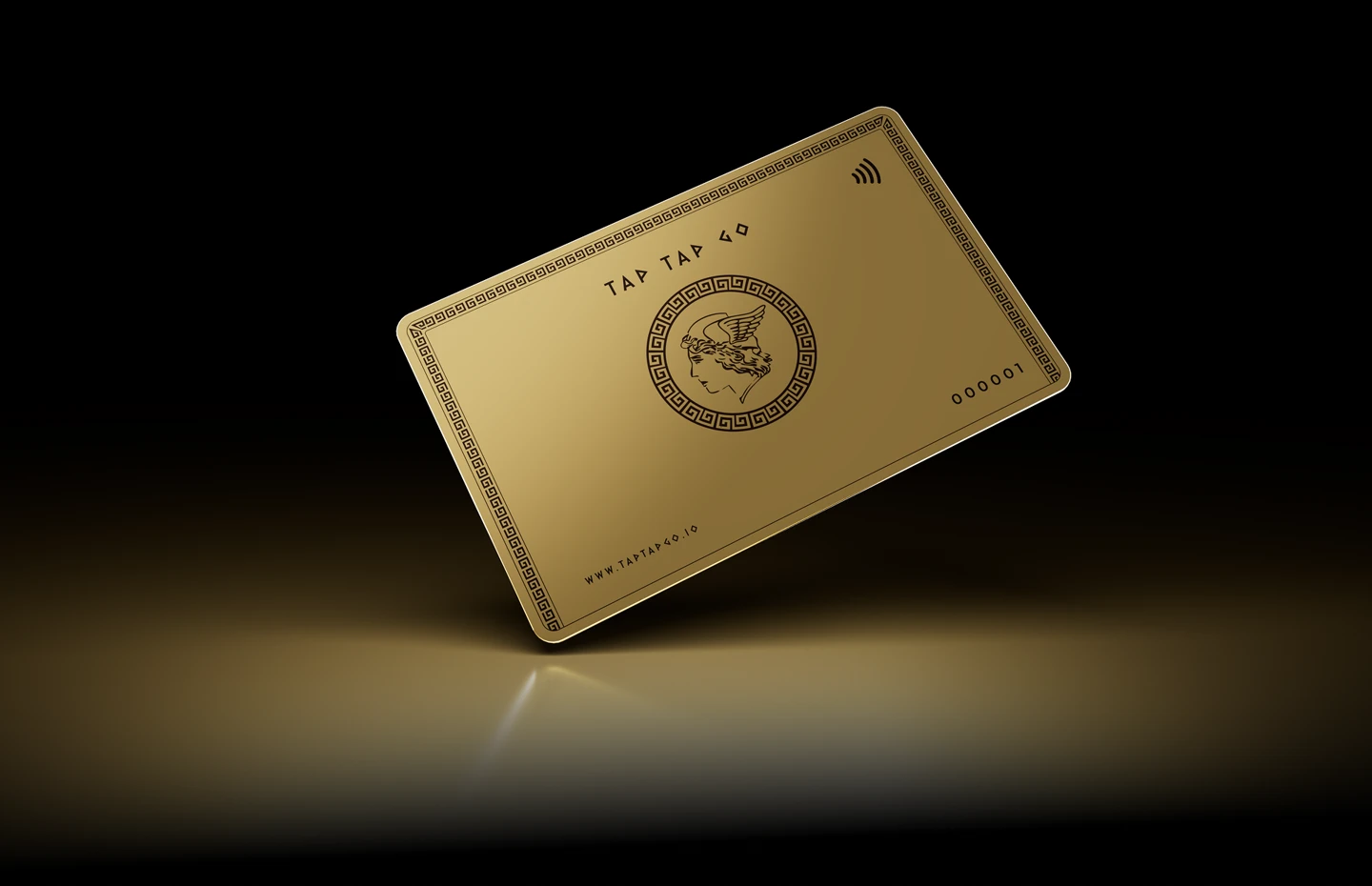
Tap Tap Go reports 79,900 users in a company brief. The figure gives Dhawal Laheri a measure of the audience reached by the digital identity venture he founded. It does not say how many people open a profile regularly, make a purchase or use a payment feature. For a company whose original point of contact is a physical card, the distinction is material: a person can keep the card long after the first meeting.
What remains after the meeting
A tap or QR scan opens the live profile, according to the public product listing. Its owner can change the contact route, upload different work or replace an outdated brochure. Imagine an architect entering a new market. The card that once showed a residential commission can point the next visitor towards a hospitality project without reprinting anything.
Visitors who save a phone contact or download a document keep a copy. Updating the original profile does not silently amend the file on somebody else’s device. A returning client has a reason to reopen the live page when a new appointment, a revised proposal or an updated contact address matters.
From recipient to customer
Payment links and business tools widen the possible uses of that return visit. They also make different demands on the owner: an accurate profile helps somebody find a professional; an understandable payment request helps that person act as a customer. For Laheri, the reported audience makes the opportunity visible. Repeat visits and usage of individual services would answer a different question about how far the business has travelled.